


What Designers Really Need from Installation Partners (And Where Projects Go Wrong)

Strong commercial spaces don’t just come from good design—they come from alignment.
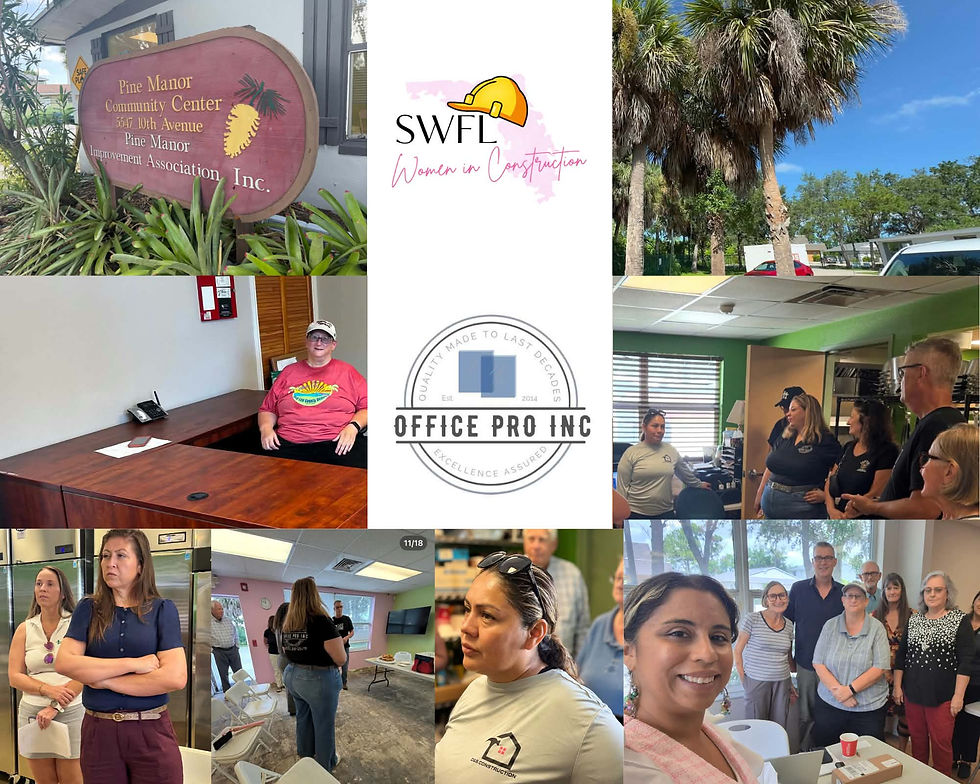
We recently met with a Southwest Florida workplace designer to talk about what actually happens between design and execution, where projects tend to break down, and what separates a good installation partner from a great one.
Her insights reinforced something we see in the field every day—execution isn’t just a phase, it’s what determines whether a space performs as intended.
What Designers Really Look for in an Installation Partner
From a strategic standpoint, the expectation goes far beyond simply installing product.
“The best partners understand they’re not just installing—they’re delivering on the intent of the design.”
That means:
Attention to detail
Accountability in the field
The ability to think ahead, not just react
Strong installation partners are proactive communicators and solution-oriented, understanding how their work impacts not just the project—but the end user experience.
This is where the difference is made.
Where Projects Start to Break Down
One of the most consistent challenges is the gap between what’s designed—and what’s actually buildable.
“Breakdowns often happen when there’s a disconnect between what’s drawn and what can realistically be executed.”
This can come from:
Lack of early coordination
Missing or unclear details
Assumptions about how systems integrate
When installation teams aren’t brought into the conversation early, it often leads to:
Field adjustments
Delays
Added costs
Compromised design intent
From the field side, this is where most problems begin.
Designing for Change (Not Just Day One)
Today’s workplaces are evolving—and they need to.
But many spaces aren’t built with that in mind.
“The biggest challenge is that spaces aren’t always designed for change.”
We see this show up as:
Fixed construction that limits flexibility
Inconsistent system standards
Lack of documentation
Poor tracking of inventory or components
All of this makes reconfiguration more complex—and more expensive—than it needs to be.
Why Ongoing Support Matters
Installation isn’t one-and-done.
“Having a team that understands the original design, product, and installation makes future changes faster and more accurate.”
This is where long-term partnerships matter.
When the same team supports the space over time:
Adjustments are more efficient
Quality is preserved
Risk is reduced
The environment stays adaptable
This is especially critical in healthcare and corporate environments.
The Role of Communication
If there’s one thing that determines project success, it’s alignment.
“The most successful projects are the ones where communication is consistent and collaborative from the beginning.”
When designers, dealers, and installers are aligned early:
Problems are solved before they reach the field
Timelines stay intact
The final result reflects the original vision
This isn’t optional—it’s essential.
Looking Ahead
As the industry continues to evolve, the focus is shifting toward modular systems, flexible environments, and long-term performance.
But none of that works without execution.
At Office Pro Installation, we continue to align with teams who understand that design and installation are not separate—they’re part of the same system.
As we prepare for NeoCon, we’re focused on connecting with partners who value that same level of coordination, precision, and accountability.

Comments